

Home · Blog · Fleet management for iron ore mines
Blog · Iron ore

Fleet management for iron ore mines: long hauls, big fleets, remote leases

Iron ore mines in India run large dumper fleets over long haul roads, often with contractor trucks and patchy mobile coverage. Fleet management there means dispatching dumpers so shovels and trucks wait least, tagging each trip with its grade and destination, matching trips to weighbridge despatch, and keeping data flowing where there is no network.

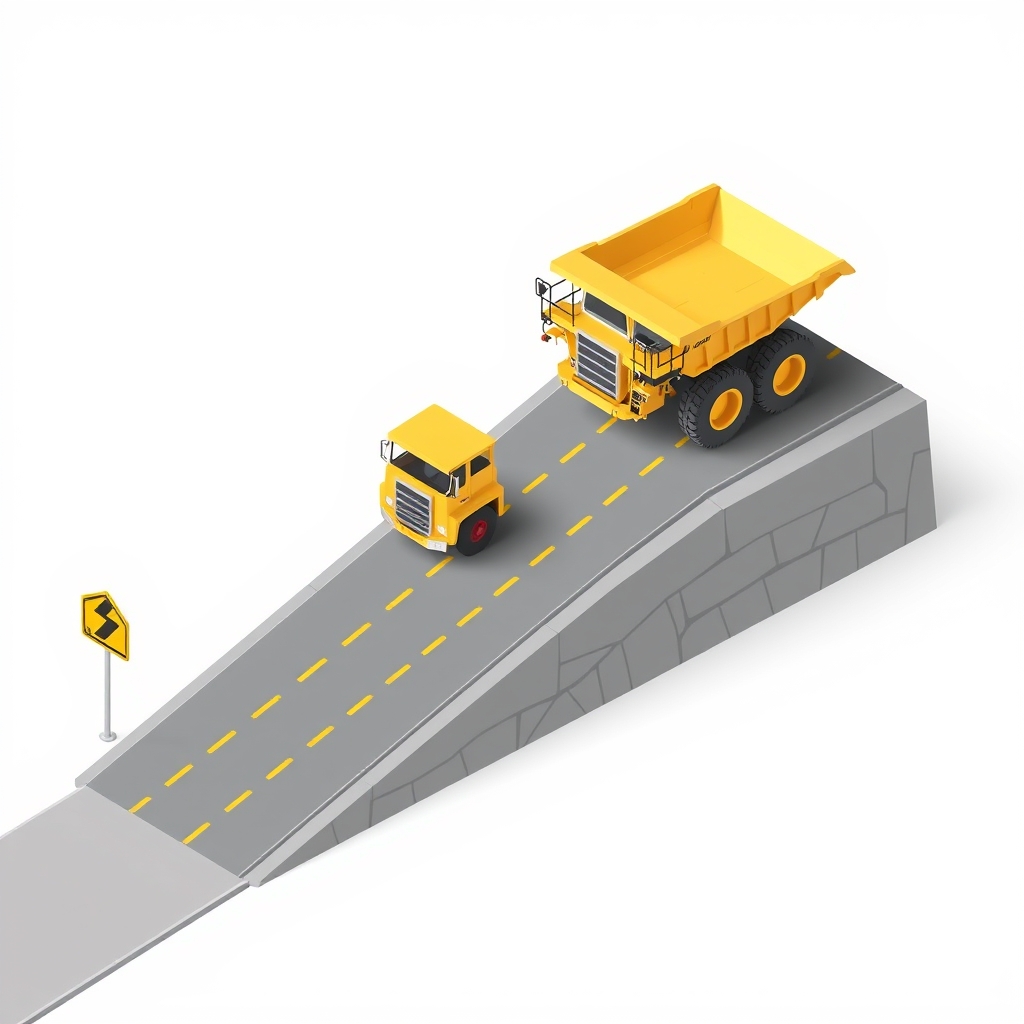
Dumper on a long haul road in an open-cast iron ore mine
01 Context

Where Indian iron ore comes from

IBM's December 2024 summary records 277.3 million tonnes of iron ore in 2023-24, with Odisha at about 55%, followed by Chhattisgarh, Karnataka and Jharkhand. News reports of Ministry of Mines data put 2024-25 at a record 289 million tonnes. Volumes like these move by dumper first.

277.3 Mt
iron ore, 2023-24 (IBM)
~55%
from Odisha (IBM)
02 Haul

Long hauls make queues expensive

When a haul road is several kilometres, one wrong assignment costs a full round trip. OITDS assigns each empty dumper to the shovel where it will wait least, using live positions and queue lengths, and splits each cycle into load, haul, dump, return and delay so the longest part is visible.

How OITDS assigns dumpers →
03 Grade

Grade and destination per trip

Lumps, fines and waste go to different places: crusher, screening plant, stockpile or dump. Tagging each trip from the loading polygon and the dump geofence keeps tonnes by grade and destination without operator entry.

Grade control →
04 Despatch

Weighbridge-matched despatch

Weighbridge readings are matched to truck, trip and contractor, so despatch figures, stockpile balance and contractor bills come from one record.

Contractor management →
05 Coverage

Remote leases with no network

Many leases are far from towns. Devices store data and pass it vehicle to vehicle to Wi-Fi points at the crusher, workshop or control room, so the dashboard catches up within minutes.

No-network mining →
06 Cost

Fuel on long hauls

Long hauls make diesel the largest variable cost. Fuel from tank sensors, OEM data or a bowser fuel management system, joined to trips, gives litres per tonne-kilometre by dumper and shift.

Fuel monitoring →
07 Survey

Stockpiles and benches from the air

Drone survey gives stockpile volumes and bench surfaces to reconcile against trip tonnes.

Drone survey →
Source

Indian Bureau of Mines, Statistical Summary for Important Minerals (Dec 2024)

Iron ore production by state, 2022-23 to 2024-25 (till Nov), including Odisha's share.

Open the source →
Source

The Statesman: production of iron ore was 289 million tonnes in FY 2024-25

Reports Ministry of Mines data for FY 2024-25 iron ore output.

Open the source →
Mohit Sahu, Co-founder and Tech Lead, Minocular
About the author

Mohit Sahu

Mohit is a mining engineering graduate of NIT Raipur. He leads Minocular's product and engineering, from fleet dispatch to the drone and AI platforms.

Questions about fleet management in iron ore mines

What does fleet management do in an iron ore mine?

It dispatches dumpers to shovels, records each trip with grade, destination and tonnes, matches trips to weighbridge despatch, and reports fuel and cycle time per dumper and shift.

Which state produces the most iron ore in India?

Odisha, with about 55% of output in 2023-24 according to the Indian Bureau of Mines.

Does it work where there is no mobile network?

Yes. Devices store and forward data through other vehicles to Wi-Fi points on site.

Can contractor trucks be tracked too?

Yes. Contractor vehicles carry the same device or are matched at the weighbridge, so trips and tonnes are billed from one record.

How is grade tracked per trip?

From the loading polygon the shovel works in and the geofence where the dumper unloads.

Related
INDUSTRY
Iron ore mining
PRODUCT
Mining fleet management
SOLUTION
No-network mining
BLOG
The five parts of a haul cycle
See every iron ore trip, grade and tonne on one screen.
Book a Demo