

Home · Blog · Fleet management for quarries
Blog · Quarries

Fleet management for quarries: loader queues, scale-house tonnes and stockpiles

Quarries run short haul cycles, so minutes lost at the loader or the scale house add up fast. Fleet management for a quarry means measuring each cycle, matching weighbridge tonnes to each truck and trip, and reconciling them with stockpile volumes from drone surveys.

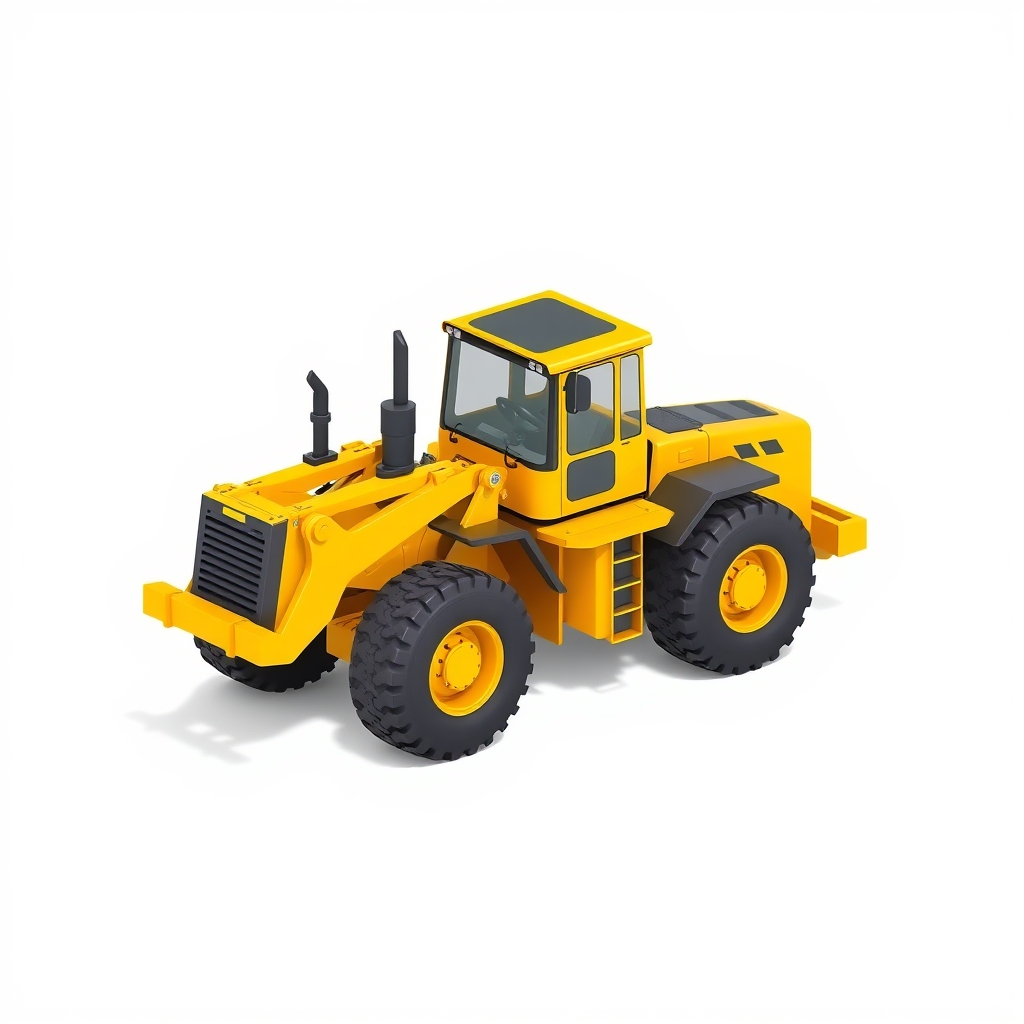
Wheel loader loading a truck at a stone quarry
01 Context

Quarries are regulated by the states

Building stone, gravel and ordinary sand are minor minerals under section 3(e) of the MMDR Act. IBM notes that producers of building stones such as granite report production directly to their states, and IBM's mining lease bulletins exclude minor minerals. Records a quarry keeps therefore have to satisfy the state department, not one national format.

02 Cycle

Short cycles, measured

Each cycle is split into loading, hauling, dumping, return and delay. In a short-haul quarry, queue time at the loader is often the biggest piece, and it only shows when every cycle is timed.

The five parts of a haul cycle →
03 Scale house

Weighbridge tonnes on the trip

Weighbridge readings are matched to each truck and trip, so shipped tonnes, production tonnes and haul contractor bills come from one record.

Weighbridge and contractor records →
04 Stockpiles

Stockpile volumes from every flight

Drone survey turns each flight into a 3D surface of every stockpile. The change since the last flight, set against weighbridge tonnes, shows what was produced and shipped.

Drone survey →
05 Blasting

Blast records without paper

Depth, burden, spacing and charge are logged per hole, and the blast area is drawn as a geofence the loading fleet works inside.

Drill and blast analytics →
06 Cost

Fuel per tonne

Fuel from tank sensors, OEM data or an offline entry app, joined to trips, gives litres per tonne by machine and shift.

Fuel monitoring →
07 Getting started

A small fleet can start small

A quarry with a few loaders and trucks can start with tracking and the weighbridge link, then add drone stockpiles and fuel.

Minocular fleet management →
Source

Indian Bureau of Mines, Granite (Indian Minerals Yearbook 2019)

Building stone is a minor mineral under section 3(e) of the MMDR Act; producers report production to the states.

Open the source →
Source

Indian Bureau of Mines, Bulletin of Mining Leases and Prospecting Licences 2024

National lease statistics, which exclude minor minerals.

Open the source →
Puru Agrawal, Co-founder, Minocular
About the author

Puru Agrawal

Puru is a co-founder of Minocular. He works with mine owners and contractors across India on fleet dispatch, fuel and digitisation projects.

Questions about fleet management in quarries

What is fleet management for a quarry?

Tracking loaders and trucks, timing each cycle, matching weighbridge tonnes to trips and reporting fuel and production per shift.

Are quarries regulated by the central government?

Building stone, gravel and ordinary sand are minor minerals under section 3(e) of the MMDR Act, and production is reported to the states.

How are stockpiles measured?

Drone survey builds a 3D surface of each stockpile, and the volume change between flights is compared with weighbridge tonnes.

Is it worth it for a small quarry?

A small fleet can start with tracking and the weighbridge link and add modules later.

Where is time usually lost in a quarry cycle?

Often in the queue at the loader and at the scale house; timing every cycle shows which.

Related
INDUSTRY
Quarries and aggregates
PRODUCT
Mining fleet management
PRODUCT
Drone survey
BLOG
The five parts of a haul cycle
See every truck, tonne and stockpile in your quarry.
Book a Demo