

Home · Blog · Fleet management system cost
Blog · Fleet

Fleet management system cost for small and mid-size mines: what you pay for

The cost of a fleet management system at a mine has five parts: hardware on each machine, in-cab screens if dispatch needs them, network coverage, the software subscription and the rollout work. For a small or mid-size mine the biggest levers are whether existing trackers and OEM telemetry can be reused, how many machines need screens, and whether the pit needs its own network.

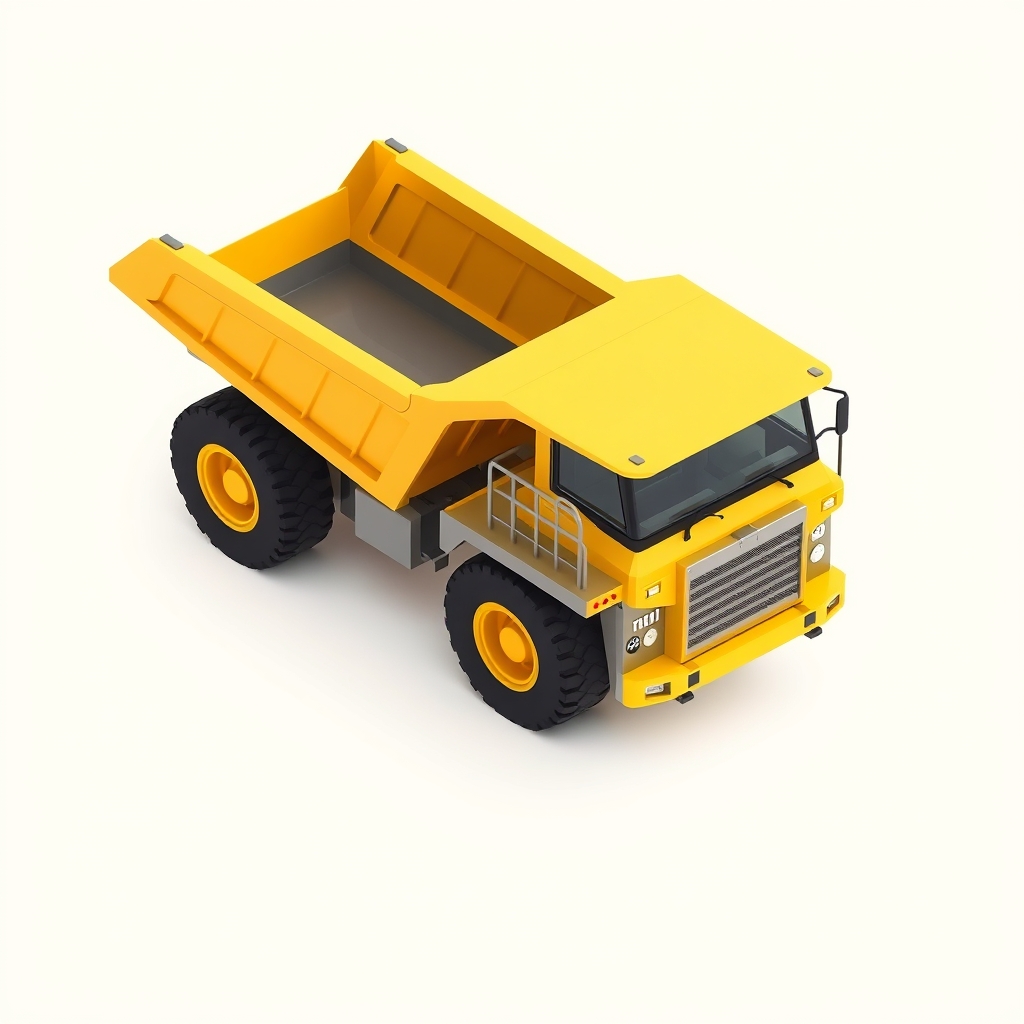
Dumper fitted with a GPS tracker, part of fleet management system cost
01 Cost parts

The five parts of FMS cost

A fleet management system (FMS) for a mine is priced from five parts. The first is a GPS tracker or telematics unit on each dumper and excavator. The second is an in-cab screen, a mobile data terminal (MDT), where operators need to see assignments. The third is network: SIM data, or a private LTE or mesh network where there is no coverage. The fourth is the software subscription, and the fifth is installation, setup and training.

02 Hardware

Hardware: reuse before you buy

Many mines already have trackers on hired dumpers, fitted for a VTS or a contractor's own tracking. Newer Komatsu, CAT and Epiroc machines send OEM telemetry. A hardware-agnostic FMS can read these sources, so the mine buys new trackers only for machines that have nothing. This is often the largest single saving for a mixed or contractor fleet.

Hardware-agnostic FMS →
03 In-cab screens

Screens only where they change work

An MDT costs far more than a tracker and needs mounting, power and care in a dusty cab. Small mines often start with trackers on every machine and screens only on excavators or loaders, or none, and run dispatch from the control room by radio or phone app. Screens can be added later when dynamic dispatch is worth it.

04 Network

Network decides a lot

Where the pit has 4G coverage, SIM data is a small running cost. Deep pits and remote leases often do not, and a private network adds towers, radios and power. A system that stores data on the device and syncs when it reaches coverage can avoid that build at a small mine, at the cost of a delay in live data.

Mining without network →
05 Software

Software pricing models

FMS software is usually priced per machine per month, per site, or as a one-time licence with yearly support. Per-machine pricing scales down well for a small fleet. A one-time licence suits mines that prefer capital spend. When comparing offers, check what is included: reports, integrations with weighbridge and fuel systems, updates and support hours.

06 Comparing offers

How to compare quotes fairly

Put each quote on the same basis: number of machines, hardware reused or new, screens, network, software term and rollout. Then compare the total over three or five years, not the first invoice. A cheaper tracker that cannot feed dispatch or fuel reports can cost more later when a second system is needed.

Compare mining FMS options →
07 In Minocular

Start with what the mine already has

Minocular reads existing trackers, MDTs and OEM telemetry, so a mine can start on the hardware it has and add screens or network only where needed. For pricing on a specific fleet, the team quotes from the machine list. The ROI calculator can show the payback against a system cost you enter.

Open the ROI calculator →
Puru Agrawal, Co-founder, Minocular
About the author

Puru Agrawal

Puru is a co-founder of Minocular. He works with mine owners and contractors across India on fleet dispatch, fuel and digitisation projects.

Questions about fleet management system cost

What does a fleet management system cost for a mine?

The cost depends on the number of machines, whether trackers and OEM telemetry can be reused, how many in-cab screens are needed, network coverage and the software term. A quote should list each part separately so offers can be compared.

What is the biggest cost in a mining FMS?

Hardware is usually the largest part, especially in-cab screens and any private network. Reusing existing trackers and fitting screens only where they change work keeps it down.

Can a small mine use a fleet management system without in-cab screens?

Yes. Trackers on every machine with dispatch run from the control room give trip counts, cycle times and idle time. Screens can be added later for dynamic dispatch.

Do we need a private network for an FMS?

Not always. Where there is 4G, SIM data is enough. Where there is no coverage, devices that store data and sync later can avoid building a private network at a small mine.

How is FMS software priced?

Common models are per machine per month, per site, or a one-time licence with yearly support. Check what reports, integrations, updates and support are included.

How should we compare FMS quotes?

Put every quote on the same machine count, hardware, screens, network and software term, then compare the total over three to five years.

Related
CAPABILITY
Hardware-agnostic FMS
COMPARE
Compare mining FMS
SOLUTION
Fleet management
BLOG
OITDS vs VTS vs FMS
Get a quote built from your own machine list.
Book a Demo